In 1898, two years after Jose Rizal’s execution in Bagumbayan, a government official declared December 30 as a national day of mourning. It was also declared as a day of honor for the victims of the Spanish government. All national flags were to be placed at half-mast on December 29 and all government offices were to close on December 30. This was also the first year that Filipinos celebrated Rizal Day.
To win the Filipinos’ support, the Americans presented Rizal with the title of Philippine National Hero. This was under the authority of William Howard Taft, who was the country’s first civil governor. In 1901, the Taft Commission renamed the Morong district of Metro Manila as the Province of Rizal. This was the first step in recognizing Rizal as the National Hero. During the American times, Rizal’s death anniversary was also made an official holiday. In 1902, the Philippine Commission established December 30 as Rizal Day. This became one of the country’s ten official holidays. In September 1901, a law was enacted allowing the use of public lands for the establishment of a statue of Rizal on the Luneta in Manila. In preparation for the Centennial of Rizal in 1961, the Rizal National Commission was established.
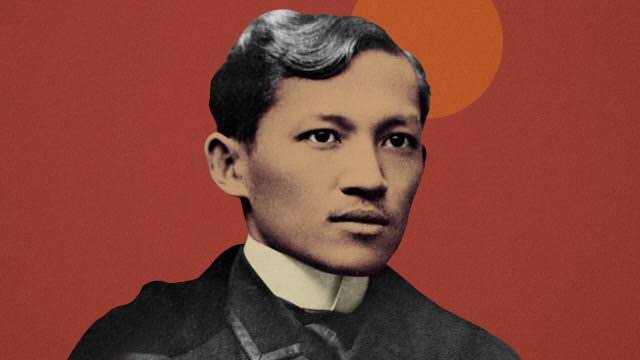
On June 12, 1956, Republic Act 1425 was established in recognition of Jose Rizal’s significant contribution to the nation’s freedom. Senator Claro M. Recto supported and authored the Rizal Act, which is commonly known as the Rizal Act. It mandates that the life, works, and writings of Jose Rizal, notably his novels, have been included in the curricula of private and public schools, colleges, and universities. The bill’s main goal, according to the late Senator Jose P. Laurel, is to spread Jose Rizal’s ideas and ideals through the reading of his works, particularly NOLI ME TANGERE AND EL FILIBUSTERISMO.
“Noli Me Tangere and El Filibusterismo must be read by all Filipinos. They must be taken to heart, for in their pages we see ourselves as a mirror, our defects as well as our strength, our virtues as well as our vices. Only then would we become conscious as a people, and so learn to prepare ourselves for painful sacrifices that
ultimately lead to self-reliance, self-respect
and freedom”
 Site Title